


Hey there! As a supplier of glazed floor tiles, I often get asked about the differences between glazed floor tiles and encaustic tiles. So, I thought I'd write this blog to clear things up for you all.
Appearance
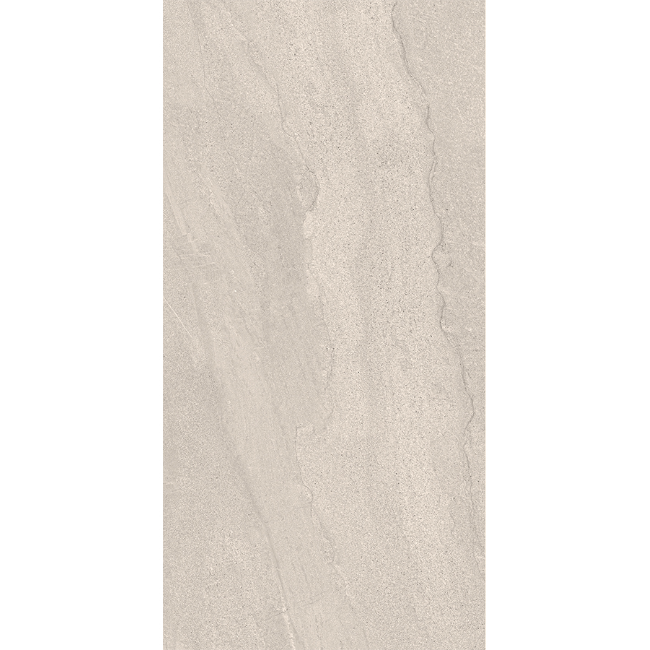
Let's start with how they look. Glazed floor tiles are super versatile in terms of appearance. They can mimic the look of natural materials like stone, wood, or marble. For instance, our Grey Lava Stone Tile looks exactly like real lava stone but without the high cost and maintenance issues of the natural stuff. The glaze on these tiles gives them a smooth, shiny, or matte finish depending on your preference.
On the other hand, encaustic tiles are known for their intricate and bold patterns. They're made by pressing different colors of clay into a mold to create a design that goes all the way through the tile. This means the pattern won't wear off easily, even with heavy foot traffic. Encaustic tiles often have a more traditional and decorative look, and you'll see them in lots of old - fashioned buildings, especially in areas like kitchens and bathrooms.
Manufacturing Process
The way these two types of tiles are made is quite different. Glazed floor tiles are made by first forming the tile body, usually from a mixture of clay and other minerals. Then, a layer of glaze is applied on top of the tile body. The glaze is a liquid mixture of silica, fluxes, and colorants. After the glaze is applied, the tiles are fired in a kiln at high temperatures. This firing process makes the glaze hard and durable, and it also gives the tile its final color and finish.
Encaustic tiles, however, have a more labor - intensive manufacturing process. As I mentioned earlier, different colors of clay are pressed into a mold to create the pattern. Once the pattern is formed, the tile is fired in a kiln. Unlike glazed tiles, encaustic tiles don't have a separate glaze layer. The pattern is an integral part of the tile itself, which is why it's so long - lasting.

Durability
When it comes to durability, both glazed floor tiles and encaustic tiles have their pros and cons. Glazed floor tiles are generally very durable. The glaze layer protects the tile body from scratches, stains, and moisture. However, if the glaze gets chipped or cracked, it can expose the tile body, which may be more prone to staining. But with proper installation and maintenance, glazed tiles can last for decades.
Encaustic tiles are also very durable because the pattern is throughout the tile. They can withstand a lot of wear and tear, and they're less likely to show signs of damage on the surface. However, encaustic tiles are a bit more porous than glazed tiles. This means they can absorb liquids more easily, so you need to seal them properly to prevent staining.
Cost
Cost is always an important factor when you're choosing tiles for your project. Glazed floor tiles can vary widely in price. There are some budget - friendly options available, especially if you're looking for basic designs. But if you want high - end glazed tiles that mimic the look of natural materials like marble, the price can be quite high. For example, our Marble Design Matt Glazed Floor Tile offers a luxurious look at a relatively reasonable price compared to real marble, but it's still more expensive than some of our basic glazed tiles.
Encaustic tiles are usually more expensive than glazed tiles. The labor - intensive manufacturing process and the use of multiple colors of clay make them pricier. Also, because they're often used for decorative purposes, encaustic tiles are considered a premium product. However, if you're looking for a unique and long - lasting design, the extra cost might be worth it.
Maintenance
Maintenance is another area where these two types of tiles differ. Glazed floor tiles are relatively easy to clean. You can use a mild detergent and a damp mop to keep them looking good. If there are any stubborn stains, you can use a tile cleaner, but be careful not to use anything too abrasive that could scratch the glaze.
Encaustic tiles require a bit more maintenance. As I mentioned earlier, they're more porous, so they need to be sealed regularly. You should seal encaustic tiles every few years to prevent staining. Also, when cleaning encaustic tiles, you need to be gentle to avoid damaging the pattern.
Slip Resistance
Slip resistance is crucial, especially in areas like bathrooms and kitchens. Glazed floor tiles can have different levels of slip resistance. Some glazed tiles are designed with a textured surface to increase slip resistance. For example, our Marble Effect Porcelain Tiles can come with a slip - resistant finish, which is great for areas where water might be present.
Encaustic tiles also have some level of slip resistance, but it can vary depending on the surface texture. Since encaustic tiles often have a smooth surface, they might be a bit more slippery when wet. However, there are encaustic tiles available with a textured finish to improve slip resistance.
Design Flexibility
Glazed floor tiles offer a huge amount of design flexibility. You can get them in a wide range of colors, sizes, and shapes. You can also choose from different finishes, like shiny, matte, or textured. This makes them suitable for all kinds of interior design styles, from modern and minimalist to traditional and rustic.
Encaustic tiles, while they have a very distinct and beautiful look, are a bit more limited in terms of design flexibility. They usually come in pre - set patterns, and it can be harder to find custom - made encaustic tiles. However, the existing patterns are so unique that they can really make a statement in any room.
Conclusion
In conclusion, both glazed floor tiles and encaustic tiles have their own unique features. Glazed floor tiles are great if you want a modern, versatile, and relatively low - maintenance option. They're available in a wide range of styles and prices, and they can fit into almost any design scheme. Encaustic tiles, on the other hand, are perfect for those who love traditional, decorative patterns and don't mind spending a bit more on installation and maintenance.
If you're in the market for glazed floor tiles, I'd love to help you find the perfect ones for your project. Whether you're doing a small bathroom renovation or a large - scale commercial project, we have a wide selection of high - quality glazed floor tiles to choose from. Just reach out, and we can start discussing your needs and preferences.
References
- Ceramic Tile Institute of America. "Tile Manufacturing Processes."
- Tile Council of North America. "Guide to Tile Durability and Maintenance."
So, what do you think? Are you ready to start your tile project? Let's talk!


