


Terrazzo tile has long been a popular choice for interior design due to its unique aesthetic and durability. However, a common question that arises is whether terrazzo tile can be used outdoors. As a terrazzo tile supplier, I'm here to provide you with a comprehensive answer to this query.
Understanding Terrazzo Tile
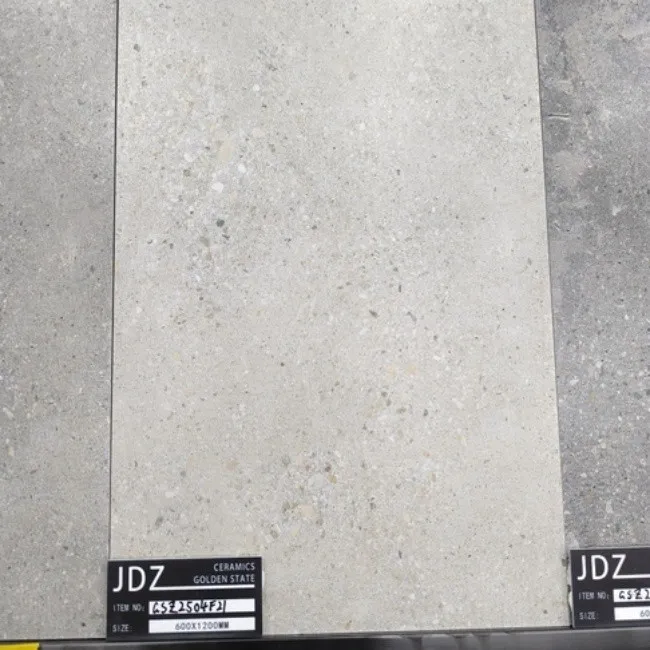
Terrazzo is a composite material made up of chips of marble, quartz, granite, glass, or other suitable materials, set in a cementitious or epoxy binder. The mixture is poured, leveled, and then ground and polished to a smooth finish, resulting in a beautiful and distinctive surface. There are different types of terrazzo tiles, including Terrazzo Grey Tile, Terrazzo White Tile, and Matte Terrazzo Tile, each offering a unique look and feel.
Suitability for Outdoor Use
The answer to whether terrazzo tile can be used outdoors is yes, but with some important considerations. Terrazzo tile can be a great option for outdoor applications, but it depends on several factors, including the type of terrazzo, the climate, and the installation method.
Type of Terrazzo
- Cementitious Terrazzo: This type of terrazzo is made with a cement binder. It is generally more porous and less resistant to freeze - thaw cycles compared to epoxy terrazzo. In areas with cold climates where freezing and thawing occur frequently, cementitious terrazzo may crack over time. However, in milder climates, it can be a cost - effective option for outdoor use.
- Epoxy Terrazzo: Epoxy terrazzo uses an epoxy resin as the binder. It is more resistant to water, chemicals, and freeze - thaw cycles. Epoxy terrazzo is a better choice for outdoor applications, especially in areas with harsh weather conditions.
Climate Considerations
- Hot and Dry Climates: In hot and dry climates, terrazzo tile can withstand the heat well. However, it's important to ensure that the tile is properly sealed to prevent moisture from seeping in during occasional rainfalls. The high temperatures can cause the tile to expand, so proper installation with expansion joints is crucial to prevent cracking.
- Cold and Wet Climates: In cold and wet climates, the freeze - thaw cycle is a major concern. As mentioned earlier, epoxy terrazzo is a better option in these areas. Additionally, the tile should be installed on a well - drained base to prevent water from pooling and causing damage.
Installation Method
- Proper Base Preparation: For outdoor installations, the base must be well - compacted and level. A concrete base is often recommended, as it provides a stable foundation for the terrazzo tile. The base should also have proper drainage to prevent water from accumulating under the tiles.
- Use of Expansion Joints: Expansion joints are essential in outdoor terrazzo installations. They allow the tile to expand and contract with temperature changes without cracking. The joints should be filled with a flexible sealant to prevent water and debris from entering.
Advantages of Using Terrazzo Tile Outdoors
- Aesthetic Appeal: Terrazzo tile offers a wide range of colors and patterns, allowing you to create a unique and visually appealing outdoor space. Whether you prefer a modern, minimalist look or a more traditional style, there is a terrazzo tile option to suit your taste.
- Durability: When properly installed and maintained, terrazzo tile can last for many years. It is resistant to wear and tear, making it suitable for high - traffic areas such as patios, walkways, and pool decks.
- Low Maintenance: Terrazzo tile is relatively easy to clean. Regular sweeping and mopping with a mild detergent are usually sufficient to keep the tile looking its best.
Disadvantages of Using Terrazzo Tile Outdoors
- Cost: Terrazzo tile can be more expensive than some other outdoor flooring options, especially epoxy terrazzo. The cost of materials and installation can add up, making it a less budget - friendly choice for some projects.
- Installation Complexity: Installing terrazzo tile outdoors requires skill and experience. Improper installation can lead to problems such as cracking, uneven surfaces, and water damage. It's important to hire a professional installer to ensure a successful installation.
Maintenance Tips for Outdoor Terrazzo Tile
- Regular Cleaning: Sweep the tile regularly to remove dirt and debris. Use a mild detergent and water to mop the tile as needed. Avoid using abrasive cleaners, as they can scratch the surface of the tile.
- Sealing: Seal the terrazzo tile periodically to protect it from water, stains, and damage. The frequency of sealing depends on the type of terrazzo and the amount of traffic the area receives.
- Inspection: Regularly inspect the tile for any signs of damage, such as cracks or chips. If any damage is found, it should be repaired promptly to prevent further problems.
Conclusion
In conclusion, terrazzo tile can be used outdoors, but it's important to choose the right type of terrazzo, consider the climate, and ensure proper installation and maintenance. With its aesthetic appeal, durability, and low maintenance requirements, terrazzo tile can be an excellent choice for outdoor applications.
If you're interested in using terrazzo tile for your outdoor project, we're here to help. We offer a wide range of terrazzo tile options, including Terrazzo Grey Tile, Terrazzo White Tile, and Matte Terrazzo Tile. Contact us to discuss your project requirements and get a quote.

References
- "Terrazzo: A Comprehensive Guide" by John Smith
- "Outdoor Flooring Options" by Jane Doe
- "Installation and Maintenance of Terrazzo Tile" by Mark Johnson


