


Can I use white bathroom tiles in a Japanese - style bathroom?
When it comes to designing a Japanese - style bathroom, the choice of tiles is a crucial decision that can significantly impact the overall aesthetic and functionality of the space. As a white bathroom tile supplier, I often get asked whether white bathroom tiles can be used in a Japanese - style bathroom. In this blog post, I'll explore this question in detail, considering the principles of Japanese design, the characteristics of white tiles, and how they can be incorporated into a Japanese - inspired bathroom.
Understanding Japanese Design Principles
Japanese design is deeply rooted in nature, simplicity, and harmony. The concept of "wabi - sabi" plays a central role, which appreciates the beauty in imperfection, transience, and the natural world. Japanese bathrooms typically feature elements such as natural materials like wood, stone, and bamboo, along with clean lines and a sense of tranquility. The color palette often consists of earthy tones, muted greens, and soft grays, reflecting the colors found in nature.
Characteristics of White Bathroom Tiles
White bathroom tiles offer several advantages. Firstly, they are highly versatile. White is a neutral color that can easily blend with other colors and styles, making it suitable for various design concepts, including Japanese - style bathrooms. Secondly, white tiles can create a sense of spaciousness and brightness. In a bathroom, which is often a relatively small space, this can be particularly beneficial, as it makes the room feel larger and more open. Thirdly, white tiles are easy to clean and maintain, which is an important consideration for a bathroom environment.
Incorporating White Tiles into a Japanese - Style Bathroom
While white may not be the first color that comes to mind when thinking of Japanese design, it can be effectively used in a Japanese - style bathroom when combined with other traditional elements.
1. Pairing with Natural Materials
One way to use white tiles in a Japanese - style bathroom is to pair them with natural materials. For example, you can use white wall tiles and combine them with a wooden vanity or a bamboo partition. The contrast between the clean, white tiles and the warm, organic texture of the wood or bamboo creates an interesting visual effect that aligns with the Japanese aesthetic of combining different materials in harmony. You can also add a stone bathtub or a pebble - filled area to further enhance the natural feel of the space.
2. Creating a Minimalist Look
Japanese design is known for its minimalism. White tiles can be used to create a simple, uncluttered look in the bathroom. Opt for large - format white tiles with minimal grout lines to give the walls and floor a seamless appearance. This minimalist approach not only adheres to Japanese design principles but also emphasizes the purity and simplicity of the white color.
3. Adding Subtle Details
To make the white tiles more in tune with the Japanese style, you can add subtle details. For instance, you can choose white tiles with a textured surface to mimic the irregularity found in nature. Another option is to use a traditional Japanese pattern, such as a wave or a cherry blossom design, in a small area of the tile installation, like a mosaic accent wall. This adds a touch of Japanese culture without overwhelming the overall design.
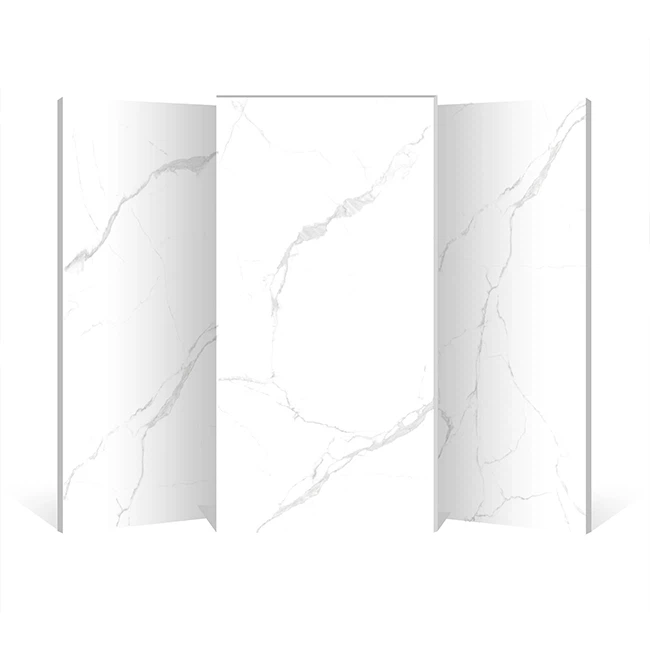

Examples of White Tiles in Japanese - Style Bathrooms
There are many real - world examples where white bathroom tiles have been successfully used in Japanese - style bathrooms. In some modern Japanese bathrooms, white porcelain tiles are used on the walls and floors, creating a clean and contemporary look. The white tiles are then complemented by a wooden soaking tub and a shoji screen, which adds a traditional Japanese touch.
Another example is a bathroom where white marble tiles are used. White Marble Bathroom Floor Tile can bring a sense of luxury and elegance to the space while still maintaining a connection to the natural world, as marble is a natural stone. The veining in the marble can add an element of visual interest and imperfection, which is in line with the wabi - sabi philosophy.
Considerations When Using White Tiles in a Japanese - Style Bathroom
While white tiles can work well in a Japanese - style bathroom, there are a few considerations to keep in mind.
1. Color Balance
It's important to maintain a proper color balance. Too much white can make the space feel cold and sterile, which goes against the warm and inviting nature of a Japanese - style bathroom. Therefore, it's essential to incorporate other colors and materials to add depth and warmth.
2. Lighting
Lighting plays a crucial role in a Japanese - style bathroom. White tiles can reflect light well, but it's important to choose the right type of lighting. Soft, natural - looking light can enhance the beauty of the white tiles and create a calming atmosphere. Avoid harsh, bright lights that can make the white tiles look too stark.
3. Cultural Authenticity
When using white tiles in a Japanese - style bathroom, it's important to ensure that the overall design maintains a sense of cultural authenticity. This means using other Japanese design elements correctly and not simply using white tiles as a random addition.
Conclusion
In conclusion, white bathroom tiles can indeed be used in a Japanese - style bathroom. Their versatility, ability to create a sense of space, and ease of maintenance make them a viable option. By pairing them with natural materials, creating a minimalist look, and adding subtle Japanese details, you can achieve a beautiful and authentic Japanese - style bathroom. If you're considering using white tiles in your Japanese - style bathroom project, I encourage you to explore our wide range of white bathroom tiles. We offer high - quality products that can meet your design needs. Whether you're an architect, a designer, or a homeowner, feel free to contact us to discuss your requirements and start the procurement process. We're here to help you create the perfect Japanese - style bathroom.
References
- "The Art of Japanese Design" by Hiroshi Yamasaki
- "Japanese Interior Design: Tradition and Modernity" by Akira Ishiguro


