


Are exterior wall tiles resistant to mold and mildew?
As a supplier of exterior wall tiles, I often get asked about the resistance of these tiles to mold and mildew. It's a crucial question, especially considering the impact of mold and mildew on both the aesthetic appeal and the structural integrity of buildings. In this blog post, I'll delve into the factors that determine a tile's resistance to mold and mildew, and how our exterior wall tiles stack up in this regard.
Understanding Mold and Mildew
Mold and mildew are types of fungi that thrive in damp, warm, and dark environments. They can grow on a variety of surfaces, including exterior wall tiles. Mold is typically black, green, or brown and has a fuzzy appearance, while mildew is usually white or gray and has a powdery texture. Both can cause health problems, such as allergies and respiratory issues, and can also damage the tiles and the underlying structure of the building.
Factors Affecting Tile Resistance
Several factors determine a tile's resistance to mold and mildew. These include:
- Porosity: Tiles with high porosity absorb more moisture, providing a breeding ground for mold and mildew. Low-porosity tiles, on the other hand, are less likely to absorb moisture and are therefore more resistant to mold and mildew.
- Glaze: A high-quality glaze can act as a barrier against moisture, preventing it from seeping into the tile. Tiles with a smooth, non-porous glaze are less likely to harbor mold and mildew.
- Surface texture: Rough or textured surfaces can trap moisture and dirt, making them more susceptible to mold and mildew growth. Smooth surfaces are easier to clean and are less likely to support the growth of fungi.
- Installation: Proper installation is crucial for preventing moisture from seeping behind the tiles. If the tiles are not installed correctly, water can accumulate, leading to mold and mildew growth.
Our Exterior Wall Tiles
At our company, we offer a wide range of exterior wall tiles that are designed to be resistant to mold and mildew. Our tiles are made from high-quality materials and are manufactured using advanced techniques to ensure low porosity and a smooth, non-porous surface.
One of our popular tile options is the White Bathroom Porcelain Tile. This tile is made from porcelain, which is a dense and non-porous material. It has a smooth, glossy surface that is easy to clean and resistant to mold and mildew. The white color also gives it a clean and modern look, making it a popular choice for exterior walls.
Another option is the White Wood Grain Tile. This tile mimics the look of natural wood, but with the durability and resistance of porcelain. It has a low porosity and a smooth surface, making it resistant to mold and mildew. The wood grain pattern adds a warm and natural touch to any exterior wall.
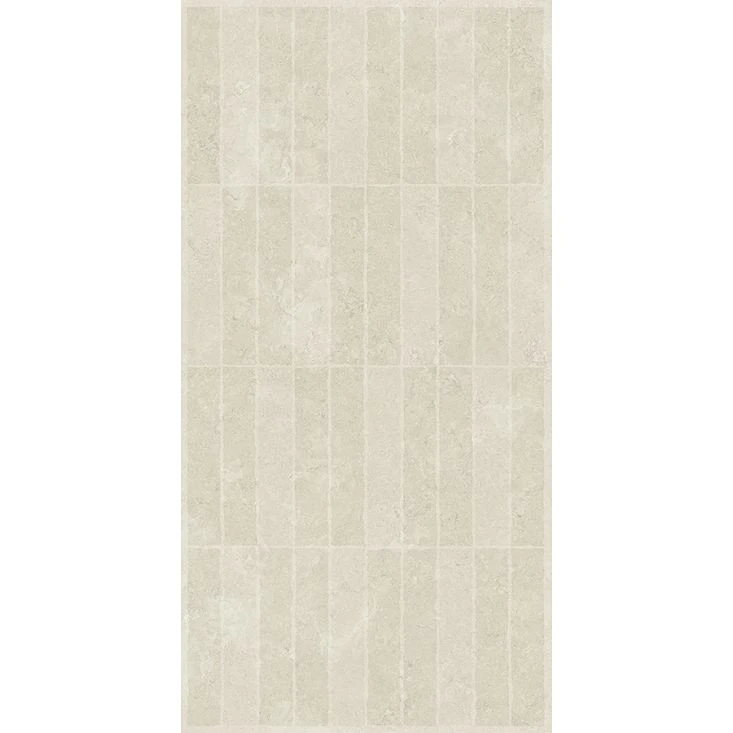
We also offer the Stone Beige Matt Tile. This tile has a matte finish that gives it a natural and rustic look. It is made from high-quality ceramic material and has a low porosity, making it resistant to mold and mildew. The beige color is versatile and can complement a variety of exterior styles.

Maintenance and Cleaning
Even with resistant tiles, proper maintenance and cleaning are essential to prevent mold and mildew growth. Here are some tips to keep your exterior wall tiles clean and mold-free:
- Regular cleaning: Use a mild detergent and water to clean the tiles regularly. Avoid using abrasive cleaners or tools that can scratch the surface of the tiles.
- Dry the tiles: After cleaning, make sure to dry the tiles thoroughly to prevent moisture from accumulating. You can use a soft cloth or a squeegee to remove excess water.
- Inspect the tiles: Regularly inspect the tiles for any signs of mold or mildew. If you notice any growth, clean it immediately using a mold and mildew cleaner.
- Seal the tiles: Consider sealing the tiles to provide an extra layer of protection against moisture. A good sealant can help prevent water from seeping into the tiles and reduce the risk of mold and mildew growth.
Conclusion
In conclusion, our exterior wall tiles are designed to be resistant to mold and mildew. By choosing tiles with low porosity, a smooth surface, and a high-quality glaze, you can significantly reduce the risk of mold and mildew growth on your exterior walls. However, proper maintenance and cleaning are still necessary to keep the tiles in good condition.
If you're interested in learning more about our exterior wall tiles or have any questions about mold and mildew resistance, please don't hesitate to contact us. We'd be happy to help you choose the right tiles for your project and provide you with more information on maintenance and cleaning.
References
- "Mold and Mildew: What's the Difference?" by the Environmental Protection Agency.
- "Porcelain Tile: A Durable and Beautiful Choice for Your Home" by the Tile Council of North America.
- "How to Clean and Maintain Your Exterior Wall Tiles" by DIY Network.


